Best Vegetables to Add to Drunken Noodles
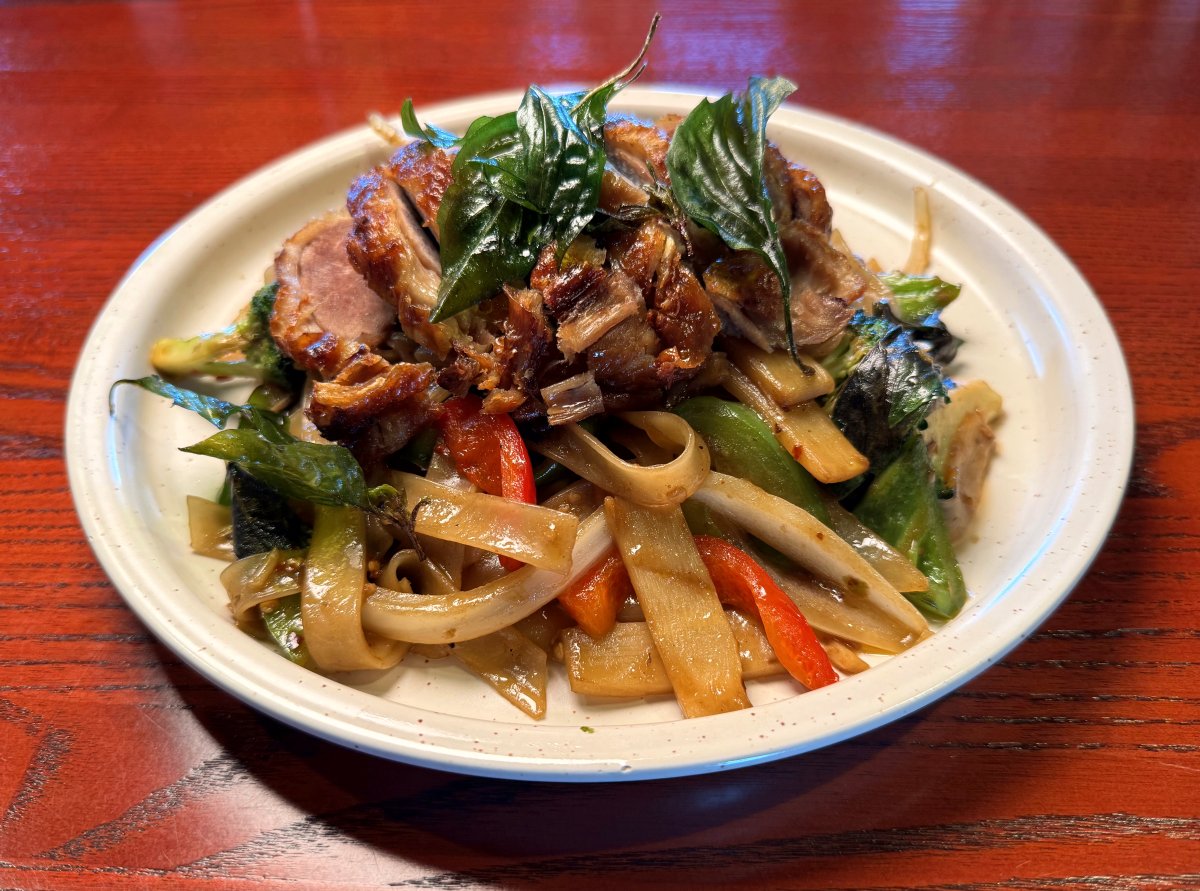
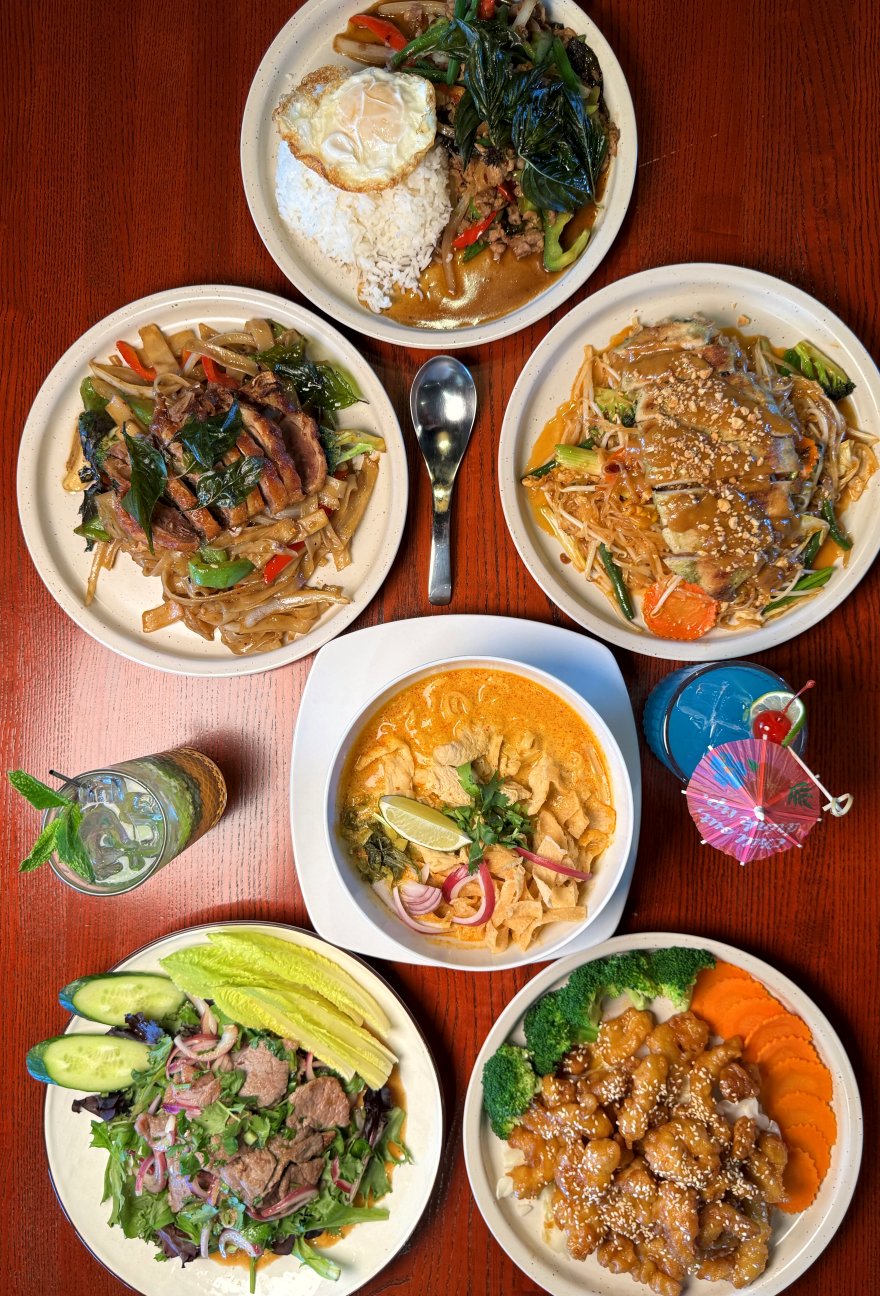
Drunken Noodles reward a cook who pays attention to texture. The sauce gets most of the attention, and rightly so. A good balance of salty soy, savory depth, a little sweetness, and real chili heat is what makes the dish memorable. But vegetables do more than fill space between the noodles and protein. They bring contrast, color, moisture, bitterness, crunch, and char. They can make the plate taste lively instead of heavy.
After making versions of Drunken Noodles in restaurant kitchens and at home, I have found that the best vegetables are not necessarily the most traditional or the most colorful. The best choices are the ones that can stand up to a fierce stir-fry, absorb enough sauce to taste integrated, and still keep their own personality. Wide rice noodles are soft and slippery. The vegetables need enough structure to play against that softness.
A common mistake is to throw in every vegetable in the refrigerator and hope the sauce ties it together. It usually does not. Drunken Noodles are fast, hot, and aggressive. If the pan gets crowded or watery, the noodles steam instead of sear, and the whole dish loses its edge. Vegetable choice matters more here than in gentler noodle dishes.
What makes a vegetable work in Drunken Noodles
The best vegetables for Drunken Noodles do at least one of three things well. They stay crisp or meaty under high heat, they soak up sauce without collapsing, or they bring a specific note that the dish needs, such as freshness or bitterness. Ideally, they do two of those things at once.
Water content is the first thing to consider. High-moisture vegetables can be excellent, but only if they cook quickly and are added with intention. Too many juicy vegetables at once can dilute the sauce and cool the pan. That is why sliced onion works beautifully, while a mountain of zucchini often turns the dish limp.
Shape also matters. Long strips, angled slices, or bite-size pieces toss better with broad noodles than tiny dice. The dish should feel cohesive in the bowl. You want to be able to pick up noodle, basil, chili, and vegetable together, not chase little cubes around with chopsticks or a fork.
Then there is flavor. Drunken Noodles are bold. Delicate vegetables can disappear unless they bring texture. Stronger vegetables, especially those with slight bitterness or sweetness, often perform better because they can hold their own against garlic, soy sauce, fish sauce, oyster sauce, and Thai basil.
The vegetables I reach for first
If I am building a dependable pan of Drunken Noodles, these are the vegetables I trust most:
- Chinese broccoli, for slight bitterness and sturdy stems
- Bell peppers, for sweetness and quick-cooking crunch
- Onion, for aroma and caramelized edges
- Baby corn, for snap and sauce absorption
- Mushrooms, for savory depth and meaty texture
That list is not about strict authenticity so much as function. Every one of those vegetables behaves well in a hot wok or skillet. They do not all need to appear together, but each one earns its place.
Chinese broccoli deserves top billing
If there is one vegetable that feels made for Drunken Noodles, it is Chinese broccoli, often called gai lan. The leaves wilt quickly, the stems stay pleasantly firm, and the slight bitterness keeps the dish from tasting one-note. It is one of those ingredients that makes a plate feel more complete without drawing attention to itself.
The stems should be sliced on a sharp diagonal so they cook fast and look elegant among the noodles. Thick stems can be split lengthwise first. The leaves need only a few seconds in the pan. If you add them too early, they turn dull and stringy. Added near the end, they wilt into the sauce and bring that fresh, green note that rich noodles need.
Regular broccoli can work in a pinch, but it creates a different dish. The florets catch sauce nicely, yet they are bulkier and less graceful. If using standard broccoli, cut the stems thin and keep the florets small. Broccolini is a better substitute because it cooks quickly and has a similar tenderness.
Bell peppers bring sweetness and color without fuss
Bell peppers are among the easiest vegetables to add well. They hold their shape under intense heat, taste good with basil and chili, and offer sweetness that rounds out salty sauce. Red peppers are the sweetest, yellow peppers run close behind, and green peppers bring a sharper, more vegetal bite.
For Drunken Noodles, I prefer slicing peppers into thin strips rather than chunks. Strips mingle with the noodles and cook evenly in less than two minutes. Chunks stay too separate and often remain undercooked unless you soften them ahead of time.
Peppers are especially useful if your sauce leans salty or spicy. They act as a buffer. A bowl heavy on bird's eye chilies can become tiring after a few bites, but pepper sweetness keeps the heat enjoyable. They also make the dish look more generous, which matters if you are serving a crowd and want the platter to feel abundant without adding more noodles.
Onion does quiet, essential work
Onion rarely gets featured in conversations about noodle dishes, but it should. In Drunken Noodles, onion provides aroma at the start, sweetness as it softens, and a little crunch if you leave it just shy of fully tender. It also helps bridge the gap between vegetables and sauce.
White onions and yellow onions both work well. Red onion can be good too, though its flavor tends to read more sharply in a stir-fry. The best cut is a thick slice or wedge that separates into petals as it cooks. Those curved layers grab sauce and char at the edges, which gives the dish some welcome complexity.
I would not build the entire vegetable component around onion, but I almost always include it as part of a mix. It makes the whole pan smell right from the first minute.
Mushrooms make vegetarian versions taste serious
When Drunken Noodles are made without chicken, beef, shrimp, or pork, mushrooms often carry the burden of making the dish feel substantial. They are excellent at it. Oyster mushrooms, shiitakes, and cremini all work, though they each behave a little differently.
Oyster mushrooms are especially good because their ruffled edges crisp in spots and their stems stay tender. Shiitakes bring deeper flavor and a slightly chewy bite. Cremini are easier to find and perfectly respectable, especially if sliced thick enough to brown before they release too much liquid.
The trick with mushrooms is restraint. If you overcrowd the pan, they steam. A hot wok handles them best, but even in a home skillet they can work if you cook them in a single layer for a moment before tossing. Once browned, they absorb sauce beautifully and give the dish a savory backbone.
Baby corn, a small detail that often improves the dish
Baby corn has a reputation for being more decorative than useful, but in Drunken Noodles it earns its keep. It stays crisp, absorbs sauce on its ridged surface, and adds visual variety without introducing much water. In restaurant cooking, that matters. You want the plate to look energetic, and baby corn helps.
Slice it lengthwise if the pieces are thick. That exposes more surface area and lets the sauce cling. It pairs particularly well with chicken or tofu versions, where a bit of extra crunch keeps the dish from leaning too soft.
I would not use baby corn as the only vegetable, but as part of a https://rowangkpi509.fairmontdigest.com/posts/how-to-get-smoky-wok-flavor-in-drunken-noodles combination it often does more than expected.
Snow peas and sugar snap peas for brightness
When a dish feels dark and heavy from soy sauce and char, peas can rescue it. Snow peas and sugar snap peas both cook in under a minute and stay vivid green if the heat is high and the pan is not crowded. They add a fresh, sweet snap that contrasts nicely with chewy noodles.
Snow peas are flatter and more delicate. Sugar snap peas are thicker and juicier. Either works, though sugar snaps need a little more time. Trim them well. Tough strings are especially unpleasant in a noodle dish because they tangle with everything else.
These peas are best when used sparingly. A handful can lift the dish. Too many can make it feel like a generic mixed stir-fry.
Thai basil is not a vegetable, but it changes how vegetables behave
It deserves mention because it affects your choices. Thai basil adds a peppery, anise-like freshness that makes sweeter vegetables taste brighter and earthier vegetables taste cleaner. Bell peppers become more fragrant next to it. Mushrooms taste less dense. Even simple onion feels more vivid.
That is why vegetables with clear identities tend to work best in Drunken Noodles. Basil is assertive. It likes companions that answer back. Bland vegetables can taste even duller beside it.
If Thai basil is unavailable, Italian basil can stand in, but the dish shifts. In that case, I usually lean more on vegetables with stronger character, such as Chinese broccoli or mushrooms, to keep the finished bowl from feeling flat.
Vegetables that work better than people expect
Some of the best additions are not always listed in standard recipes. Napa cabbage, for example, can be excellent when used in moderation. The pale stems keep some crunch, while the leafy tops collapse into the sauce. It brings sweetness and body without taking over. The key is not to add too much, because cabbage sheds water.
Green beans are another smart choice, especially thin ones. They stay crisp, hold sauce, and make the dish feel robust. I blanch them briefly if they are thick, then stir-fry them fast. Long beans, if you can get them, are even better because they fit the style of the dish and cook quickly when cut into short lengths.
Zucchini can work, though it is one of those vegetables that needs judgment. It must be sliced thick enough to avoid collapse, and the pan must be hot enough to brown it before it goes soft. Done well, it contributes tenderness and a little sweetness. Done poorly, it waters out the sauce and turns everything slick.
Eggplant is a more complicated case. Thai eggplant can be quite good because it stays firmer than large globe eggplant and has a pleasant, slightly bitter profile. Large eggplant is riskier. It absorbs oil quickly and can become mushy. If I use it, I salt it lightly first, pat it dry, and cook it hard. Even then, it is not my first recommendation for most home cooks.
Vegetables that usually cause trouble
Not every vegetable belongs in Drunken Noodles. Some fail because they are too wet, some because they take too long to cook, and some because their flavor fights the sauce instead of joining it.
Watery vegetables are the usual problem. Tomatoes, unless used intentionally in a very specific regional style, tend to burst and loosen the sauce. Cucumbers obviously do not belong in the wok. Large amounts of spinach vanish into almost nothing and release water in the process. Cauliflower can work, but by the time it becomes tender enough, the noodles often overcook or the florets stay too raw.
Very sweet vegetables can also throw things off. Carrots are not impossible, but they need to be cut very thin and used modestly. Their crunch is welcome, but too much carrot can shift the whole flavor profile away from the punchy, savory character most people want in Drunken Noodles.
This is one of those dishes where subtraction helps. Fewer vegetables, chosen well, almost always beat a crowded medley.
Matching vegetables with proteins
The best vegetable choice often depends on what else is in the pan. Shrimp cooks quickly and stays sweet, so it benefits from vegetables that cook just as fast, such as bell peppers, onion, or snow peas. Chicken works with almost anything, especially Chinese broccoli and mushrooms. Beef likes vegetables with bite, including onion, gai lan, and long beans, because they stand up to its richness.
Tofu needs special care because it adds softness unless well-seared. Pairing it with crisp vegetables is the easiest way to keep the dish balanced. Bell peppers, baby corn, and Chinese broccoli all do that well. A tofu and mushroom version can be delicious, but it needs at least one bright or crunchy element, otherwise the whole bowl can feel uniformly tender.
Timing matters as much as the ingredient itself
A vegetable can be perfect on paper and still underperform if it enters the pan at the wrong moment. This is a fast stir-fry. The sequence is everything. Aromatics go first, then the vegetables that need the most contact with heat, then protein if it is not already cooked, then noodles and sauce, and finally the quickest greens and basil.
Here is the simplest way to think about it when cooking at home:
- Start with onions, mushrooms, or thick stems
- Add quick vegetables like peppers or peas once the pan is very hot
- Fold in noodles and sauce before delicate leaves
- Finish with basil and leafy greens at the very end
That order keeps the vegetables distinct. It also protects the noodles. Overstirring after the sauce goes in is one of the easiest ways to break soaked rice noodles and turn the pan gummy.
How many vegetables is too many?
For a standard batch serving two to three people, I usually keep the vegetable quantity to around three to four cups total, depending on the mix. That may sound like a lot, but some vegetables shrink dramatically while others hold volume. The real issue is not the exact number of cups. It is whether the pan can maintain heat.
At home, most skillets and ranges cannot handle restaurant-style volume. If you add noodles, protein, and a full pound of vegetables to one pan, the ingredients release steam faster than the heat can drive it off. The result is soft noodles, pale vegetables, and diluted sauce. I would rather see a modest amount of well-cooked vegetables than a generous amount of soggy ones.
If you want a more vegetable-forward version, cook in batches. Brown the mushrooms first and remove them. Sear the protein next. Stir-fry the vegetables, then bring everything together briefly with the noodles and sauce. It sounds fussier than it is, and the payoff is real.
Best combinations for different styles of Drunken Noodles
The exact mix depends on what kind of bowl you want. A classic-feeling version leans on Chinese broccoli, onion, and maybe a little bell pepper. A richer, more savory version might use mushrooms, onion, and baby corn. A brighter, lighter plate could combine peppers, snow peas, and basil-heavy greens.
One pairing I come back to often is gai lan, red bell pepper, and onion with chicken. It hits nearly every note the dish needs: bitterness, sweetness, aroma, color, and crunch. For a vegetarian pan, mushrooms, baby corn, and Chinese broccoli work especially well together because they create a satisfying range of textures without making the dish feel crowded.
If I am cooking for someone who loves heat, I often include peppers rather than omit them. That may sound backward, but sweet peppers soften the harsh edge of intense chili while preserving the character of the dish. They make it easier to eat a genuinely spicy bowl with pleasure rather than endurance.
Fresh versus frozen vegetables
Fresh is usually better for Drunken Noodles because the dish relies so much on texture. Frozen vegetables often carry surface moisture, and moisture is the enemy of a good stir-fry unless you are working in a very powerful wok setup. That said, not every frozen vegetable is a bad idea.
Frozen peas can work if thawed and added at the end. Frozen bell peppers are less ideal because they soften too much and shed liquid quickly. Frozen broccoli usually turns the dish watery unless cooked separately. If convenience matters, I would rather use fewer fresh vegetables than more frozen ones.
Canned baby corn, however, is perfectly acceptable. It is one of the few pantry vegetables that slides naturally into the dish.
A final note on balance
Drunken Noodles should feel loose, glossy, and alive. The noodles should be chewy, the basil fragrant, the chili unmistakable, and the vegetables still recognizable as themselves. That last point is easy to miss. Too often, vegetables get treated as filler, when they are really what keeps the dish from becoming monotonous halfway through the bowl.
If you want the shortest answer to the question of the best vegetables to add to Drunken Noodles, start with Chinese broccoli, onion, and bell pepper. Add mushrooms if you want depth, baby corn if you want crunch, and snow peas if you want freshness. Build from there with restraint and a hot pan. The right vegetables do not just sit alongside the noodles. They make the noodles taste better.
Nakhon Luang Thai Kitchen
Address: 805 Village Center Dr, Colorado Springs, CO 80919
Phone number: +17195315175
FAQ About Drunken Noodles
What makes it drunken noodles?
Drunken noodles, or Pad Kee Mao, get their name from the Thai word khi mao (meaning "drunkard"). They contain no alcohol. The name comes from the idea that the dish is a popular late-night meal to cure a hangover or a great food to eat with a cold beer.
What is the difference between pad see ew and drunken noodles?
While both Pad See Ew and Drunken Noodles use the same wide rice noodles, Pad See Ew is a mild, sweet-savory dish made with dark soy sauce and Chinese broccoli, whereas Drunken Noodles (Pad Kee Mao) are fiery, garlicky, and herbaceous with fresh chilies and Thai basil.
What are traditional drunken noodles?
Traditional drunken noodles, known as Pad Kee Mao in Thai, are a fiery, savory street food stir-fry made with wide flat rice noodles, fresh garlic, lots of hot chilies, meat or tofu, and fragrant holy basil. Despite the name, they contain no alcohol; the dish is traditionally eaten late at night or as a hangover cure because the intense spice helps clear the head.