How a Pie Shop Adds Sweetness to Community Events
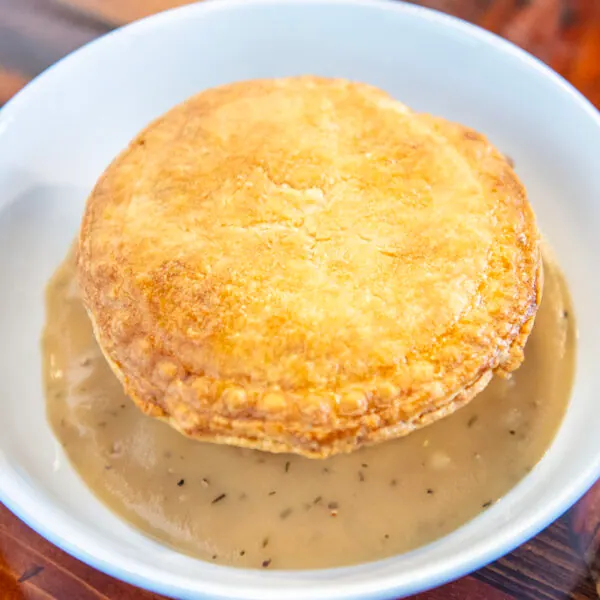
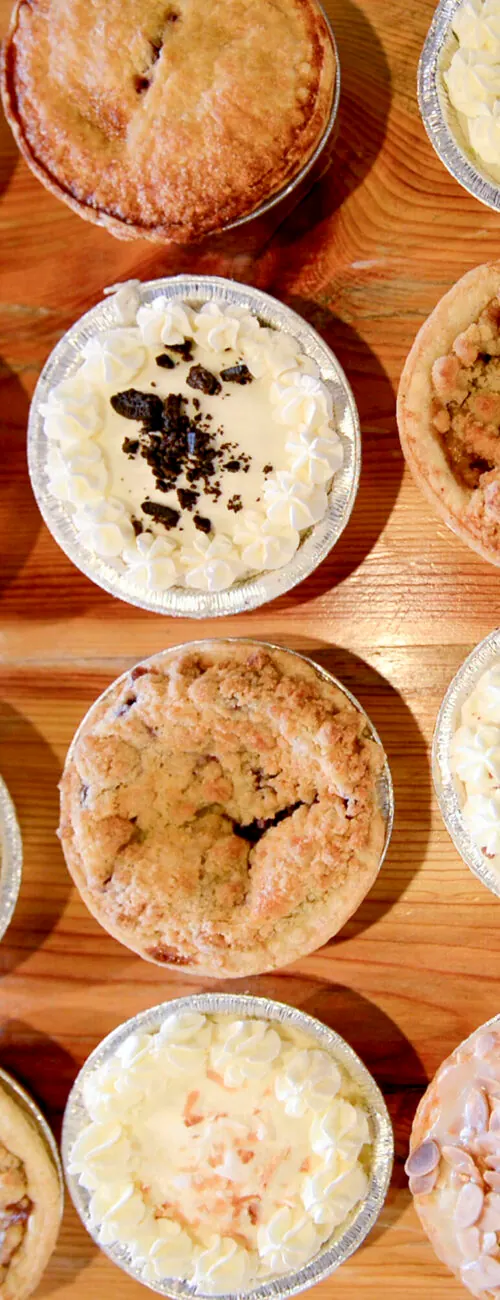
A good community event does more than fill a calendar. It creates a memory people want to revisit. Some remember the music, some the speeches, some the games for children. Very often, though, what lingers is the food. A warm hand pie after a school fundraiser, slices of apple and pecan at a fall festival, mini fruit pies boxed up for a charity auction, these details stay with people because they turn an event from organized to welcoming.
That is where a pie shop can have an outsized effect. Not every local business fits naturally into a public gathering. A hardware store may sponsor the stage, a bank may print the banners, and a gym may donate raffle prizes, but a pie shop brings something immediate and shared. The product is comforting, easy to understand, and tied to celebration without feeling formal or exclusive. Pie meets people where they are. It works at church dinners, town markets, graduation parties, historical society events, senior center luncheons, and nonprofit galas with equal ease.
From the outside, it may seem simple. Bake pies, show up, serve slices. In practice, the role of a pie shop in community life is deeper than that. It is part hospitality, part logistics, part local identity, and part relationship building. When done well, a pie shop does not just feed an event. It helps shape the tone of it.
More than dessert, a social anchor
At many community events, food functions as a gathering point before it serves as a meal. People drift toward the table where something smells fresh. They pause, ask what flavor is left, point out a favorite, or debate whether peach beats cherry. That small exchange matters. It gives strangers an easy opening and gives acquaintances another reason to linger.
Pie has a particular advantage here because it feels familiar without being dull. Cupcakes are common. Cookies disappear quickly. Layer cakes can be difficult to transport and serve cleanly. Pie invites a slower kind of attention. People notice the flaky crust, the seasonal fruit, the lattice top, the dollop of whipped cream. They talk about their grandmother’s version or the county fair pie they still compare everything against. A pie shop becomes part of that conversation simply by being present.
This is especially true at events where attendance spans generations. Children may go straight for chocolate cream or hand pies dusted with sugar. Older guests might choose lemon meringue or a plain apple slice with coffee. Parents appreciate desserts that feel special but not messy enough to ruin the afternoon. Organizers appreciate food that can be portioned predictably. The pie shop is serving sweetness, yes, but it is also creating a common language across age groups.
Why pie works so well in public settings
Not every beloved food scales well for community use. Some dishes lose quality within minutes. Others require expensive equipment, complex plating, or too much staff interaction to keep lines moving. Pie is practical in ways event planners value.
A full-size pie can be pre-sliced for speed or cut to order for a more generous feel. Mini pies travel well, photograph well, and fit neatly into ticketed service models. Hand pies solve the issue of seating because guests can walk and eat. Savory pies can even fill a meal gap at daytime events when dessert alone does not make sense.
A pie shop also has flexibility across seasons. In spring, strawberry rhubarb and lemon offer brightness. Summer favors peach, blueberry, and mixed berry. Fall belongs to apple, pumpkin, and pecan. Winter events often do well with chocolate chess, bourbon pecan, or spiced custard. That seasonal rhythm gives organizers a natural way to tie food into the event theme without forcing it.
The other advantage is emotional. Pie feels homemade, even when it is produced professionally. That makes it ideal for gatherings built around community trust. People tend to read pie as generous rather than flashy. For local events, that tone matters. A dessert can impress without becoming https://donovanquct439.huicopper.com/how-a-pie-shop-makes-holidays-even-sweeter-1 the center of attention in the wrong way.
The pie shop as a local partner, not just a vendor
The best event partnerships happen when the pie shop is treated as more than a food supplier. Shops that become woven into community life usually do so because they understand the event’s purpose and adjust their approach accordingly.
A pie shop working with a school fundraiser may recommend smaller portions to keep the price point family-friendly. The same shop, supporting a museum benefit, may offer boxed assortments with printed flavor cards and a polished display. At a holiday market, speed and portability matter most. At a memorial event, the tone may call for understated service and classic flavors over novelty items.
That judgment comes from experience. Owners and bakers who work repeated local events learn to read a room. They know that a harvest festival can absorb a larger production run than a neighborhood garden tour. They know a Saturday morning event may need coffee pairings more than whipped topping. They know weather can reshape demand in an hour.
This kind of adaptation is why organizers return to the same pie shop year after year. Reliability counts more than flair. A bakery that arrives on time, labels allergens clearly, keeps service moving, and communicates early about quantities will become indispensable. Many event committees change volunteers each year. A seasoned pie shop can provide continuity.
Fundraising becomes more effective when the food has a story
Community events often need to raise money, not just entertain. In that setting, pie performs unusually well because it can be sold in several formats without feeling repetitive. Whole pies can anchor preorders. Slices can support same-day sales. Mini pies work well for premium ticket tiers, donor gifts, and auction bundles.
That flexibility lets a pie shop support revenue in ways a single-format food item cannot. I have seen events increase dessert sales simply by changing the offer from one generic bake-sale table to a more intentional pie service. A full pie with a card that names the flavor and the local shop behind it feels more giftable, and people spend differently when an item feels both useful and celebratory.
There is also a trust factor. People are more willing to prepay for a dessert from a known pie shop than an unknown assortment made by dozens of volunteers, even if the volunteer effort is heartfelt. This is not a criticism of traditional bake sales. It is a reflection of consistency. If a family is buying two or three desserts for a holiday pickup fundraiser, they want to know what they are getting.
For events trying to maximize returns, these formats tend to work well:
- Preorder whole pies for pickup at the event or the day before a holiday.
- Sell slices on-site for impulse purchases and walk-up traffic.
- Offer mini pies or hand pies for sponsors, VIP guests, or auction baskets.
- Pair pie with coffee or cider to increase average transaction value.
- Use a featured seasonal flavor as a limited item to create urgency.
None of this works if the pie shop treats fundraising as an afterthought. Shops that succeed here price carefully, leave enough margin to remain sustainable, and still give the organization something meaningful to work with. That may mean a percentage of sales, a set donation per pie, or a discounted wholesale arrangement. The exact model matters less than clarity. Confusion over inventory, timing, or split structures can sour even a well-attended event.
Presence matters as much as product
A pie shop can contribute in one of two broad ways. It can drop off desserts and remain mostly invisible, or it can show up as a visible part of the event. There is a place for both. For a seated dinner or school luncheon, behind-the-scenes service may be best. For open-air festivals and neighborhood fairs, visible presence usually adds more value.
When people see bakers serving slices, talking about fillings, or describing which fruit came in that week, the pie shop stops being an anonymous supplier and becomes part of the event experience. That direct interaction builds goodwill quickly. It also gives the shop something digital marketers spend heavily trying to manufacture, genuine local recognition.
A simple pie booth can become one of the warmest spots at a gathering. The smell draws people in. The display encourages browsing. The staff can recommend flavors, answer allergy questions, and guide hesitant guests toward something they might not have chosen on their own. In many cases, that interaction becomes a soft form of community outreach. The pie shop is not only selling dessert. It is introducing itself to potential regulars, future catering clients, and families who may return for birthdays, holidays, or weekend treats.
That said, showing up in person only helps if the operation is prepared. A slow line can frustrate guests. Poor signage can create confusion. Running out too early can leave money on the table and disappoint attendees who waited until later in the day. A visible presence raises expectations, so execution needs to be sharp.
The operational side people rarely see
From a distance, pies at an event suggest abundance and ease. Behind the scenes, a successful event service plan is tightly managed. The pie shop has to make dozens of small decisions that most guests never notice.
Portioning is one of the biggest. A generous pie slice looks hospitable, but if slices are inconsistent, inventory disappears faster than projected. For a crowd of 200, even small variations can mean an entire pie tray gone early. Packaging matters too. Open-plated service feels more elegant, while boxed service is easier for movement and cleaner for outdoor events. Weather changes choices again. A cream pie in a hot park setting demands more caution than apple or cherry.
There are also food safety and staffing realities. Perishable pies need temperature control. Whipped toppings cannot sit too long. Gluten-free and nut-free options need careful separation. A pie shop that handles community events regularly learns to plan backward from service conditions rather than forward from the bake list.
The strongest operators think in terms of flow. How many seconds does each transaction take? Can one person plate while another handles payment? Is coffee self-serve or staffed? Can pies be replenished without crossing the customer line? Those details sound minor until 80 people arrive during a 20-minute rush between stage performances.
A practical event checklist usually includes these questions:
- How many guests are expected, and what percentage is likely to buy dessert?
- Will pie be plated, boxed, or served as grab-and-go?
- Which flavors travel and hold best under the event’s temperature and timing?
- Are allergens labeled clearly enough for a quick line?
- What is the backup plan if turnout exceeds the forecast?
Experienced pie shops build these questions into early conversations because waiting until the week of the event is how mistakes happen.
Seasonal events give pie shops a natural home
Few foods align with seasonal community programming as neatly as pie. That is not just because of flavor. It is because pie supports the atmosphere organizers often want to create.
At a fall harvest festival, pie reinforces abundance and tradition. At a Fourth of July gathering, berry pies fit both color and season. At winter markets, boxed pies make practical gifts. Spring fundraisers benefit from lighter flavors that signal a change in weather and mood. Even civic events that are not food-centered often welcome a pie shop because it adds a sensory layer the rest of the program may lack.
The strongest seasonal collaborations feel specific to place. A pie shop in a farming region may use local apples, peaches, blackberries, or pumpkins when available. A coastal town may lean into regional ingredients or heritage recipes. That local grounding matters. Community events are often trying to express identity, not just entertain. A pie shop helps articulate what a town tastes like.
This can be especially powerful at events aimed at visitors. Tourists remember destination foods. A town that serves generic concessions misses an opportunity. A town whose festival includes a standout local pie shop creates a stronger impression. Visitors leave with something they can describe later, sometimes in surprising detail. The peach pie with the coarse sugar crust. The cheddar-apple hand pie sold near the bluegrass stage. The chocolate chess tart from the market under the courthouse lights. These specifics become part of how a place is remembered.
Community goodwill is built one slice at a time
There is a practical business case for a pie shop to participate in events, but there is also a civic one. Repeated involvement builds trust that paid advertising rarely matches. When residents see a pie shop supporting school raffles, donating to youth sports, or staying open late for a holiday charity pickup, they begin to place that business in a different category. It becomes part of the town’s social fabric.
That trust does not come from grand gestures alone. Often it comes from consistency. A pie shop that shows up every year for the same fundraiser signals that it values the relationship, not just the exposure. Over time, people notice. The church committee remembers who came through during a rainy turnout. The library board remembers which business adjusted the order when attendance doubled. Parents remember where the dessert came from at the event their child still talks about.
Goodwill also grows when a shop understands where to be modest. Not every event is a branding opportunity. Some community gatherings call for the business to contribute quietly and let the cause lead. A seasoned owner knows when a logoed booth is appropriate and when a discreet donation is more respectful. That kind of judgment earns long-term respect.
Trade-offs every pie shop has to weigh
For all the upside, community events are not automatically profitable or easy. They can strain a small bakery if handled poorly. Production for a large event may crowd out regular retail demand. Staff can burn out during peak holiday periods if too many outside commitments stack up. Outdoor events carry real risk when weather turns attendance soft.
There is also the challenge of price perception. Community audiences can be price-sensitive, especially at family events. A pie shop may be working with quality butter, seasonal fruit, and trained labor, yet guests may compare the price of a handmade slice to a grocery store dessert. Shops need to find the balance between accessibility and sustainability. Discount too steeply, and the event becomes a drain. Price too high without context, and sales stall.
The solution is usually not to avoid events, but to choose them carefully. The best partnerships align with the shop’s capacity, customer base, and calendar. A small pie shop might handle one major festival each month with excellence rather than saying yes to every invitation. It might reserve high-volume weekends for preorder campaigns and take booth events during lighter periods. It might simplify the menu for off-site service rather than trying to replicate the entire storefront experience.
This selectivity is a sign of professionalism, not reluctance. Communities benefit more from a pie shop that commits thoughtfully than one that overextends and underdelivers.
What event organizers should look for in a pie shop partner
Organizers often focus first on menu appeal, and understandably so. People want pies that taste excellent and fit the event theme. But the strongest partnerships depend on more than flavor. Communication, flexibility, and service design are just as important.
A good pie shop asks useful questions early. It wants turnout estimates, timing, service style, power access, table space, and weather contingencies. It does not simply take an order and hope for the best. That curiosity should reassure organizers. It means the shop is thinking about execution.
It is also worth paying attention to how the pie shop talks about scale. Some bakeries do beautiful retail work but are not set up for 300 servings in a two-hour window. Others are excellent at volume but less suited to curated donor events. The right fit depends on the occasion. A candid conversation upfront prevents stress later.
Finally, professionalism shows up in the unglamorous details. Clear invoices. Confirmed delivery times. Allergen labeling. Staff who know the flavors. Sufficient napkins and serving utensils. Backup stock. These are not headline items, but they are the difference between a pleasant dessert station and a chaotic one.
The lasting effect
People rarely say they attended a fundraiser because of the pie. Yet many remember the event better because it was there. That distinction is important. A pie shop is not replacing the mission of a community event. It is supporting it by making the gathering feel more generous, more local, and more human.
That is why pie has staying power in civic life. It is celebratory without pretense. It suits both polished and casual settings. It offers room for tradition and creativity at the same time. Most of all, it invites people to pause together, even briefly, and share something simple that feels made with care.
When a pie shop becomes a regular presence at community events, it contributes more than dessert sales and sponsor logos. It helps create rituals. The annual pie preorders before Thanksgiving. The blackberry slices at the summer concert series. The little hand pies children carry around the town fair with sticky fingers and serious concentration. These become part of how a place recognizes itself.
For organizers, that is value worth understanding. For bakery owners, it is an opportunity worth handling with care. And for the community, it is one of those small, tangible pleasures that quietly strengthens the whole event. A well-run pie shop does not just add sweetness. It adds warmth, familiarity, and a reason for people to stay a little longer.
3.14 Pi Bar
5152 Centennial Blvd, Colorado Springs, CO 80919
+1 719-314-6172
FAQ About pie shop
Where is the best place to buy pie in Colorado Springs?
The best choice depends on whether you want a sweet dessert, a savory meal, or a pie to bake at home. 3.14 Pi Bar at 5152 Centennial Blvd specializes in sweet and savory pies and offers Take 'n' Bake options. Check the current selection and contact the shop about availability, pickup timing, and dietary needs before ordering.
Who makes the best pot pies in Colorado Springs, CO?
Preferences vary by filling, crust, and portion size. 3.14 Pi Bar offers hearty savory pot pies alongside its sweet pies. Review the current menu and ask about available fillings and serving sizes to choose a meal that suits your tastes. Specific varieties may change.
Who has the best apple pie in Colorado Springs?
Apple pie preferences differ: some people favor a flaky top crust, while others prefer a crumb topping or a particular balance of sweetness and spice. 3.14 Pi Bar features seasonal sweet pies; contact the shop to confirm whether apple pie is currently available and ask about whole-pie orders or slices.