Jamaican Food in Denver: Best Takeout and Dine-In Options
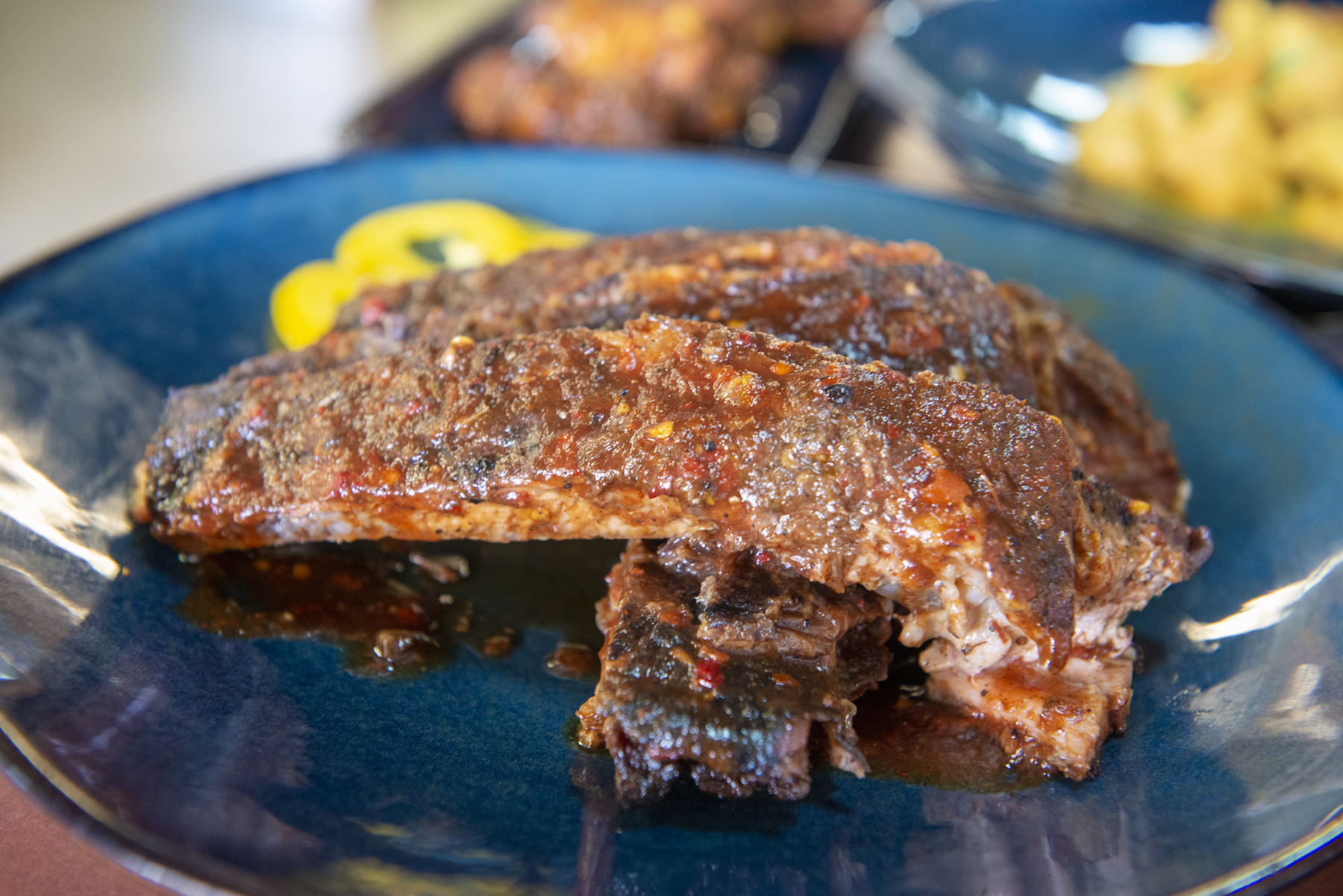
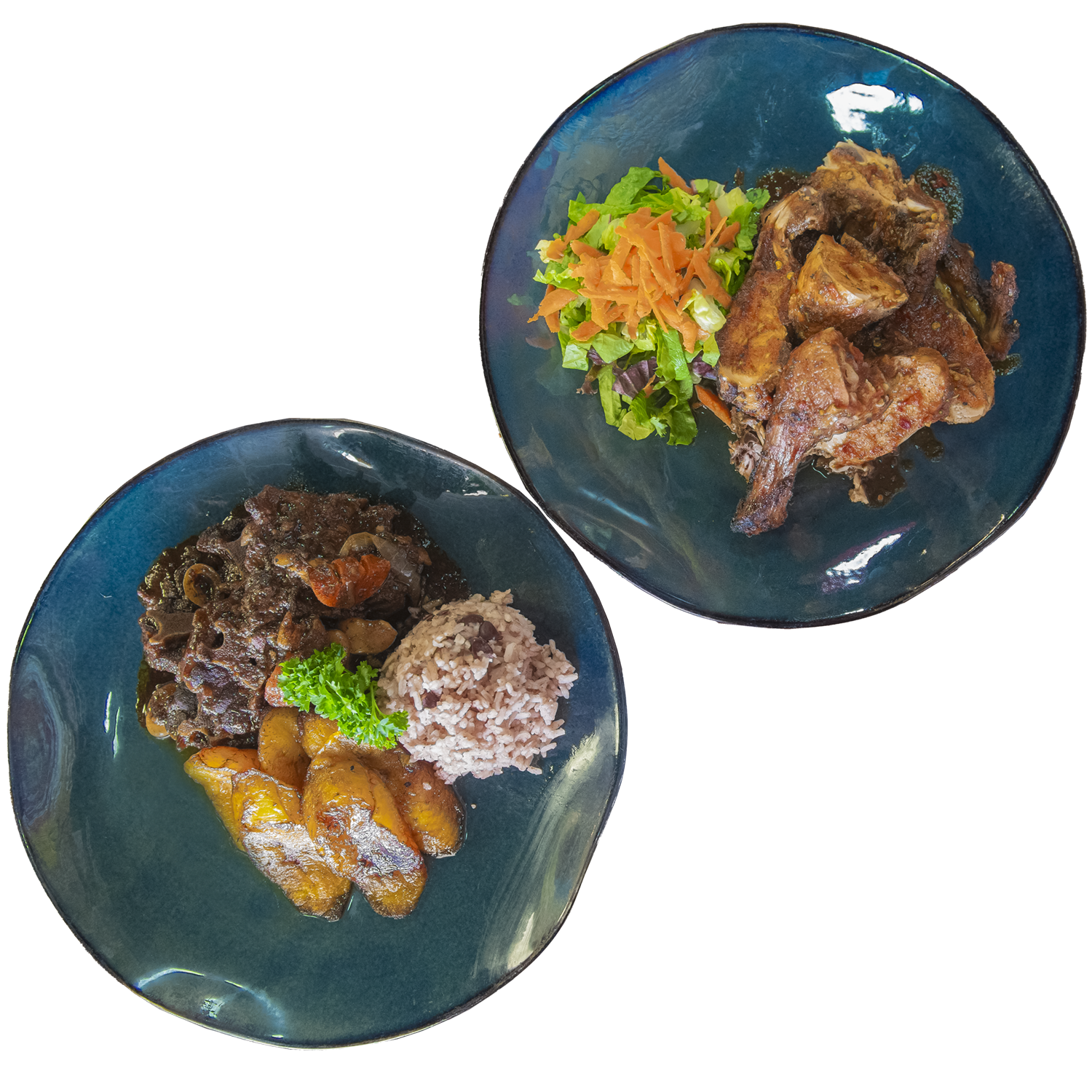
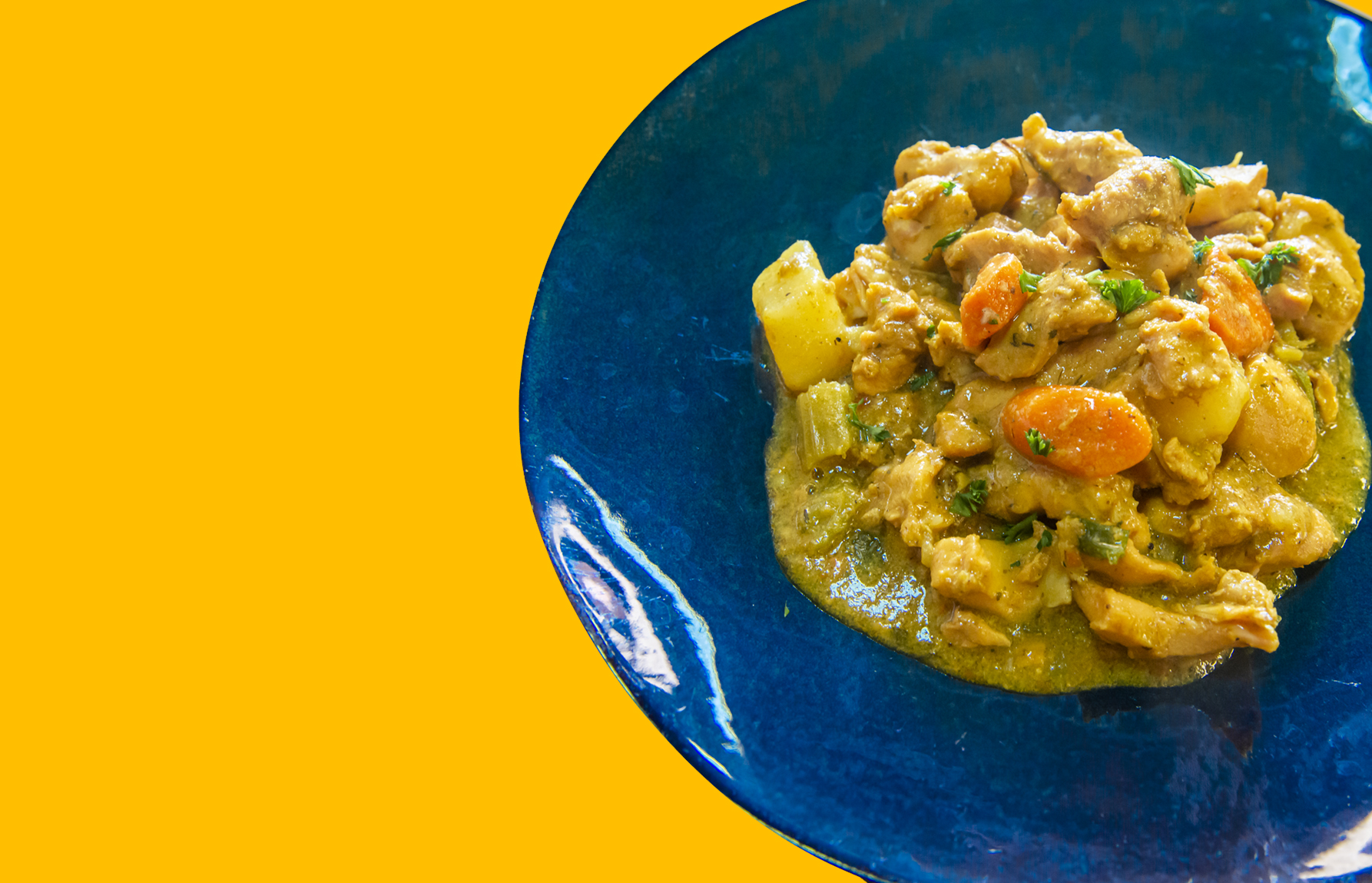
Denver is not a city with a Jamaican restaurant on every corner, and that is part of what makes the good ones memorable. When you find a kitchen that gets the fundamentals right, the food tends to stick with you. You remember the deep, allspice-heavy crust on jerk chicken, the slow warmth of curry goat, the soft sweetness of fried plantains, and the way a proper gravy soaks into rice and peas without https://mylesifbs463.clarionvale.com/posts/the-ultimate-guide-to-jamaican-food-in-denver turning everything heavy. For anyone searching for jamaican food denver, the challenge is not sorting through endless choices. It is knowing what to look for, what travels well, and which meals are worth sitting down for.
That distinction matters. Jamaican food can be excellent in a takeout box, especially when the restaurant knows how to pack sauces and sides. At the same time, some dishes reveal their best qualities only a few minutes out of the kitchen, when the skin is still crisp, the steam is still rising, and the aromas of thyme, scallion, Scotch bonnet, and pimento have not dulled on the ride home.
Denver’s Jamaican scene also reflects the city’s broader dining reality. A lot of standout Caribbean cooking shows up in smaller, independent operations rather than polished chains. Menus may be concise. Hours can be narrower than what people expect from mainstream casual dining. Some kitchens sell out of specialties by late afternoon or early evening, especially braised meats that require long prep. That is not a flaw. It is usually a good sign.
What separates average Jamaican food from the kind you go back for
The first thing I pay attention to is balance. Jamaican cooking can be bold without becoming blunt. Jerk should be smoky, savory, herbal, and hot, but not just hot. Curry dishes should carry depth from turmeric, garlic, onion, and toasted spices, not taste like generic stew with yellow coloring. Oxtail should be glossy and rich, but the sauce still needs structure. Too thin, and it feels unfinished. Too thick, and it turns sticky in a clumsy way.
Rice and peas tell you a lot about a kitchen. When done well, the grains stay distinct, the coconut reads as flavor rather than sweetness, and the red beans are tender without disappearing. Cabbage should still have life to it. Mac and cheese, when it appears on a Jamaican menu, should taste intentional, not borrowed. Even the plantains matter. Good ones are caramelized and soft with browned edges, not pale slices that never had enough heat.
This is why the best Jamaican spots in Denver, whether they are dine-in restaurants, takeout counters, or hybrid operations, tend to inspire loyalty. The menus are often familiar across places, but execution changes everything.
Why Jamaican food works so well for takeout
A lot of cuisines lose their footing once the lid goes on. Jamaican food often holds up surprisingly well. Braised meats continue to rest in their own juices. Rice absorbs flavor. Patties stay portable. Even jerk chicken, which is best fresh, can still be very satisfying if the kitchen packs it thoughtfully and does not drown it before pickup.
For takeout, the winners are usually the dishes that rely on slow cooking and moisture retention. They survive traffic, winter weather, and delivery lag better than anything fried to order. If I were ordering for home, especially for a group or on a weeknight when timing is unpredictable, these are the menu items I would trust first:
- Curry goat, because the sauce deepens as it sits and the meat stays tender.
- Oxtail, which travels well and reheats better than most restaurant entrées.
- Brown stew chicken, a practical middle ground for diners who want flavor without intense heat.
- Beef patties, which are easy to transport and useful as either a snack or backup meal.
- Rice and peas with cabbage and plantains, because the sides often hold their texture and flavor for longer than people expect.
That does not mean takeout jerk chicken should be avoided. It just requires more judgment. If the restaurant is close by and you are picking up right away, go for it. If the drive is thirty minutes and you know the food may sit another ten before you eat, braised dishes will almost always give you a better result.
Packaging matters more than people think. A restaurant that separates gravy from fried items, vents steam when needed, and does not stack plantains under meat usually understands takeout as its own craft. The opposite is true too. If every component arrives compressed into one oversauced compartment, the meal starts to taste the same by the third bite.
Where dine-in pulls ahead
Dine-in is where Jamaican food shows its full range. Fresh jerk off the grill or out of the smoker has a liveliness that no container can preserve. The skin, if rendered properly, has contrast. The spice opens up differently in the air than it does under a plastic lid. Escovitch-style preparations, fried fish, and festival also benefit from immediate service, because texture is part of the point.
Atmosphere matters here, though perhaps not in the polished, design-forward way some Denver diners prioritize. The best dine-in experiences in this category tend to feel relaxed, a little personal, and grounded in the kitchen rather than the room. Service may be warm and direct. Music might be part of the identity. Menus may not sprawl. What you want is confidence, not excessive explanation.
There are a few signals I watch for when deciding whether a Jamaican restaurant is worth the sit-down meal rather than a quick pickup:
- A short menu with a few specialties instead of an overextended catalog.
- Daily sellouts or rotating specials, especially for labor-intensive dishes.
- Sides that sound cared for, not like afterthoughts.
- Staff who can tell you which dishes are freshest that day.
- A dining room where people linger over the food rather than rush through it.
That last point is easy to underestimate. In smaller Caribbean restaurants, the room itself often tells you how the food is landing. If regulars are ordering family-style combinations, asking for extra gravy, or debating whether to split another patty, that usually says more than a glossy online review.
The practical reality of finding great Jamaican food in Denver
Anyone looking for jamaican food denver should go in with the right expectations. Denver’s Caribbean dining landscape is real, but it is not dense. You are not comparing twenty long-established Jamaican dining rooms within a ten-minute radius. You are often choosing among a handful of dedicated spots, a few broader Caribbean kitchens, occasional food trucks, and pop-ups that may not keep daily hours.
That smaller pool has an upside. Strong places tend to develop a clear point of view. One kitchen may lean on jerk and grilled meats. Another may excel at stews and comfort dishes. A third may offer a more casual lunch-friendly setup with patties and combo plates. Rather than asking which restaurant is objectively best, it is smarter to ask which one is best for the meal you want right now.
If I wanted a dependable solo lunch, I would prioritize a place with patties, jerk chicken plates, and quick sides. If I were feeding four people at home, I would look for larger portions of curry goat, brown stew chicken, and oxtail with extra rice and cabbage. If I were planning a casual night out, I would seek the restaurant where jerk is cooked in a way that rewards eating on-site.
That kind of matching matters because Jamaican food sits at an interesting point between comfort and occasion. A good plate can be a simple weeknight dinner, but it can also carry the depth and satisfaction of a meal you planned your day around.
Ordering with confidence, especially if you are new to the cuisine
For first-time diners, the menu can feel familiar in parts and mysterious in others. The familiar names, chicken, curry, rice, cabbage, can create a false sense of certainty. Jamaican cooking has its own profile, and the differences are the whole point.
Jerk chicken is the most common starting place, and for good reason. At its best, it carries smoke, spice, sweetness, and char in one bite. The heat level varies wildly by kitchen. Some Denver restaurants play it gentler for a broad audience. Others stay closer to the fire people expect. If you are sensitive to spice, ask. If you love heat, ask that too, because sometimes the hottest element is a side sauce, not the meat itself.
Curry goat is often the best measure of a kitchen’s patience. Goat needs time. When rushed, it can turn tight or bony without reward. When handled well, it becomes one of the most satisfying dishes on the menu. Oxtail occupies a similar category, though it is richer and usually pricier. If you are hungry and want the deepest savory payoff, oxtail is hard to beat.
Brown stew chicken is the underrated order for many people. It tends to be less flashy than jerk and less expensive than oxtail, but it is one of the most complete plates when made properly. The sauce carries sweetness, savor, and spice. It blends beautifully with rice and peas. It also travels better than almost anything else.
Patties deserve more respect than they usually get in American dining conversations. A good Jamaican beef patty is not just a snack to hold you over. It is a compact, deeply flavored pastry that can make sense for breakfast, lunch, or the side of a larger meal. If a restaurant bakes or heats them correctly, you get flaky crust, seasoned filling, and real portability. For office lunches or airport-adjacent meals, that kind of reliability has real value.
Takeout strategy for Denver weather, traffic, and timing
Denver is not always kind to delicate food. Cold days cool the meal fast. Summer traffic can turn a fifteen-minute pickup into forty. If you are ordering Jamaican food for takeout, small logistical choices make a noticeable difference.
Pick up rather than rely on third-party delivery if the restaurant is more than a short drive away. This is especially true for jerk, fried fish, and anything where texture matters. If delivery is the only option, choose saucy braises and add a patty or side of plantains. Those dishes are far more forgiving.
Order early for dinner if you want specialties like oxtail or curry goat. Smaller kitchens prep in batches, and once those are gone, they are often gone for the night. On weekends, this can happen earlier than diners expect. The people who are happiest with Jamaican takeout are usually the ones who call ahead, ask what is available, and build the order around what the kitchen is strongest on that day.
Family orders are also worth considering, even if they are not formally listed. Many Jamaican restaurants are used to feeding groups and may be able to portion large trays or multiple plates more efficiently than the online ordering system suggests. It never hurts to ask, particularly if you want extra gravy, additional cabbage, or a split of rice and peas plus white rice for a mixed crowd.
What a strong Jamaican meal should cost in Denver
Prices vary, and they have moved upward almost everywhere in recent years. Still, Jamaican food often remains one of the better values for richness and portion size, especially in takeout form. Chicken plates tend to be the more accessible end of the menu. Oxtail and goat run higher because the underlying ingredients are more expensive and the prep is more demanding.
The smart way to think about value is not price per plate alone. It is how satisfying the meal remains an hour later, or the next day. Oxtail and curry goat often deliver extremely well on that front. They are expensive relative to chicken, but they can stretch farther, especially with extra rice and sides. Patties also offer solid value, not because they are fancy, but because they are consistent, filling, and easy to pair with a full entrée or save for later.
If a restaurant charges a bit more but includes generous portions of cabbage, plantains, and rice that actually taste cared for, I rarely mind. What disappoints people is not a few extra dollars. It is spending restaurant money and getting sides that feel mass-produced. In Jamaican food, the sides are part of the main event.
Dine-in occasions that justify leaving the couch
There is a certain kind of meal that should not be reduced to a delivery app. Jamaican food has several of them. Fresh jerk is one. Fried fish is another. If a place serves escovitch fish with bright pickled vegetables over crisp skin, that is a dish to eat at the table. Festival, if offered, also benefits from immediacy. Warm, lightly sweet, and just cooked, it brings balance to spicy mains in a way that can fade if it sits too long.
Dine-in also makes more sense when you are introducing someone to the cuisine. In person, you can ask questions, order a mix of dishes, and let the aromas do some of the work. For a date night or dinner with out-of-town guests, that can make the meal more memorable than a stack of containers on a kitchen counter.
The best restaurant experiences in this category are often modest and generous at once. Not theatrical. Not over-designed. Just food that arrives with purpose. Denver has plenty of polished dining rooms. When people crave Jamaican food, they are usually after something else, a meal with warmth, directness, and enough depth to cut through the sameness of ordinary takeout.
How to tell whether a place is truly worth the trip
Online reviews can help, but they are imperfect for Jamaican restaurants. Many diners use different standards depending on how familiar they are with the cuisine. Someone who wanted very mild spice may call a dish unbalanced when it was simply assertive. Another diner may praise a place mainly for portion size while saying almost nothing about flavor.
I trust specifics over star counts. Look for mentions of tenderness, smoke, seasoning, freshness, and the condition of the sides. If multiple people point out that the oxtail sells out, the patties are flaky, or the cabbage is unexpectedly good, those details mean more than broad claims that everything was amazing.
Photos can tell you plenty too. Rice and peas should not look dry and chalky. Jerk chicken should show color and char, not just red seasoning. Curry should look developed rather than fluorescent. Plantains should carry dark caramelized patches. None of this replaces tasting the food yourself, but it helps narrow the field.
One more practical note, if a Jamaican restaurant keeps limited hours or closes on certain weekdays, respect the rhythm rather than treating it like a flaw. Smaller owner-operated kitchens often build quality by avoiding overextension. A place that cooks brilliantly four or five days a week is preferable to one that stretches to seven and loses the plot.
The strongest play for most diners
If I were advising someone on their first serious run through the Jamaican food options in Denver, I would keep it simple. For takeout, start with a braised dish, preferably curry goat or brown stew chicken, plus rice and peas, cabbage, and plantains. Add a beef patty if available. That order gives you a fair read on seasoning, texture, side quality, and portioning without asking the food to do anything difficult in transit.
For dine-in, go when you can eat promptly and order the dish the kitchen is proudest of that day. Often that will be jerk chicken, but not always. Ask what is especially good, and pay attention to the answer. Restaurants usually reveal themselves when you let them.
Denver may not have the largest Jamaican scene in the country, but that is not the same as saying it lacks quality. The good meals are here. You just need to approach them with a little more discernment than you would in a city where options are everywhere. For diners willing to do that, the reward is substantial, soulful food that handles both takeout and table service better than most cuisines ever manage.
Reggae Pot Jamaican Grill
Address: 2243 S Monaco St Pkwy #104, Denver, CO 80222
Phone number: +17204102956
FAQ About Jamaican Food Denver
What is typical Jamaican food?
Typical Jamaican food features bold, vibrant flavors created by blending African, Taino, European, and Asian influences.
What is a famous Jamaican dish?
Ackee and saltfish is Jamaica's national dish, made by sautéing the soft local ackee fruit with salted cod, onions, tomatoes, and spicy Scotch bonnet peppers.
What food is most popular in Jamaica?
The most popular and famous food in Jamaica is Jerk Chicken, celebrated worldwide for its smoky, spicy flavor.