Jamaican Food in Denver: What Makes It So Irresistible
Denver has never been a one-note food city. Its dining culture has grown by layering traditions rather than replacing them, which is exactly why Jamaican food feels so at home here. A plate of jerk chicken or curry goat does not arrive as a novelty. It lands with authority. It smells of smoke, allspice, thyme, and Scotch bonnet. It offers heat, sweetness, savoriness, and slow-cooked depth in the same bite. For many diners, that first encounter explains the appeal immediately. For anyone who keeps going back, the attraction runs deeper.
What makes Jamaican food in Denver so irresistible is not just flavor, though flavor is the starting point. It is the way these dishes satisfy in a climate where people crave hearty meals, the way they balance fire with comfort, and the way they turn familiar ingredients into something far more vivid. It is also the social experience around the food. Jamaican cooking is generous by nature. It is built for gatherings, long braises, crowded counters, and recipes that carry memory. Even in a fast-casual setting, it tends to feel personal.
Spend enough time around Denver’s restaurant scene and you notice a pattern. Cuisines that endure here usually offer more than trend value. They have to deliver substance. Jamaican food does that exceptionally well.
The first hook is always the aroma
People often talk about taste first, but with Jamaican cooking, smell does a lot of the work. If you have ever walked into a kitchen where jerk is on the grill or oxtail is simmering, you know how quickly the room changes. The fragrance is layered and unmistakable. There is smoke, clove, cinnamon, scallion, garlic, black pepper, thyme, and the fruity sharpness of chile. Even before you take a bite, your appetite has already made up its mind.
That aromatic power matters in a city like Denver, where diners are spoiled for choice. A cuisine has to announce itself. Jamaican food does not whisper. It arrives bold without feeling chaotic. The best versions are intensely seasoned, but never random. Every spice has a place. Every herb supports the whole.
Jerk seasoning is the obvious example, and it is often misunderstood. People sometimes reduce it to “spicy grilled chicken,” which misses the point entirely. Proper jerk is not just hot. It is smoky, sweet, herbal, and deeply savory. The heat should build, not bludgeon. The allspice should read warm and fragrant, not like dessert spice. When the balance is right, one bite can feel bright at the edges and slow-burning at the center.
That complexity is a big part of why Jamaican food in Denver has loyal regulars. It rewards repeat visits. The more often you eat it, the more nuances you catch.
Denver’s climate has a lot to do with the appeal
This city rewards food with weight and warmth. For a good stretch of the year, people want meals that feel restorative. Jamaican cuisine has plenty of those. Stewed meats, rich gravies, rice and peas, fried plantains, patties with flaky crusts, and soups that taste like they have been tended all day all make sense here.
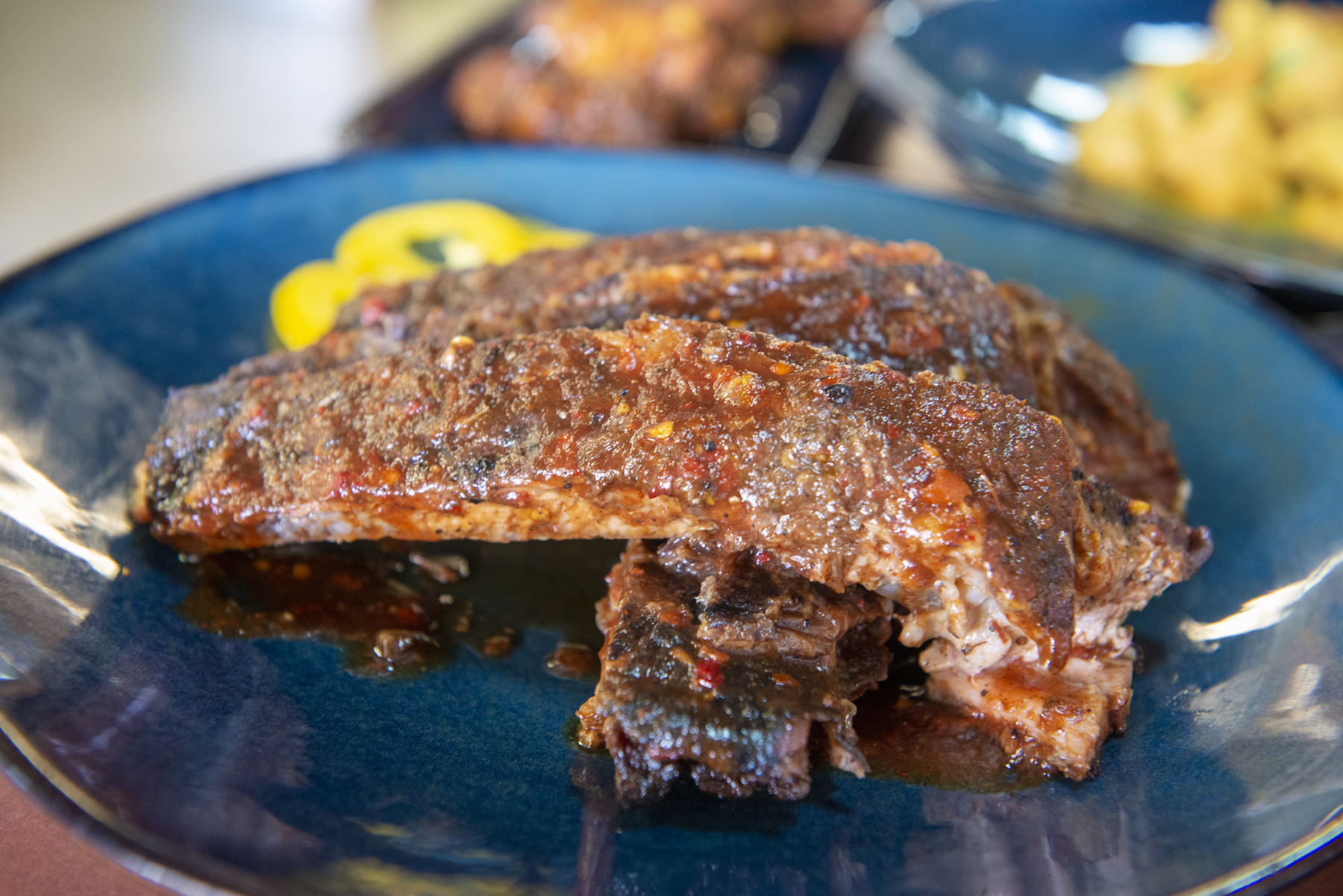
Oxtail is a perfect case. In many places, it is still treated as an occasional specialty. In Denver, where diners appreciate braised dishes and deep comfort, it has a natural audience. Good oxtail should be soft but not falling apart into mush. The sauce should carry beef richness, onion sweetness, and enough spice to keep it alive. Put that over rice and peas and you have a plate built for cold evenings, post-hike hunger, or anyone who simply wants dinner to feel substantial.
The same goes for curry goat. This dish has a different personality from Indian or Thai curries that many Denver diners already know. Jamaican curry tends to be earthier and more savory, often with a darker, slower warmth. It coats rather than floods. It lingers. In a city where people value both comfort and intensity, that profile works beautifully.
Altitude and dry air do not change the essence of the cuisine, but they do shape what people reach for. Denver diners often want food that hydrates the senses, if that makes sense, food with sauce, moisture, and depth. Jamaican cooking delivers exactly that.
Heat is part of the story, but not the whole story
There is a persistent assumption that Jamaican cuisine is all about spice level. That narrow view keeps some people from trying it, which is a mistake. Heat matters, especially from Scotch bonnet peppers, but the best Jamaican dishes are structured around balance.
A well-made escovitch fish, for example, does not succeed because it is fiery. It succeeds because the crisp fish, the pickled vegetables, the acidity, and the chile heat all create tension and relief at once. Brown stew chicken does not need to be blisteringly hot to be memorable. Its strength lies in browning, sweetness, savory depth, and the little edge of spice that keeps each forkful lively.
This is one reason Jamaican food draws such a wide range of diners in Denver. Someone who loves high heat can find it. Someone who prefers moderate spice can still experience the cuisine honestly. A thoughtful kitchen knows how to preserve the dish’s character while adjusting intensity.
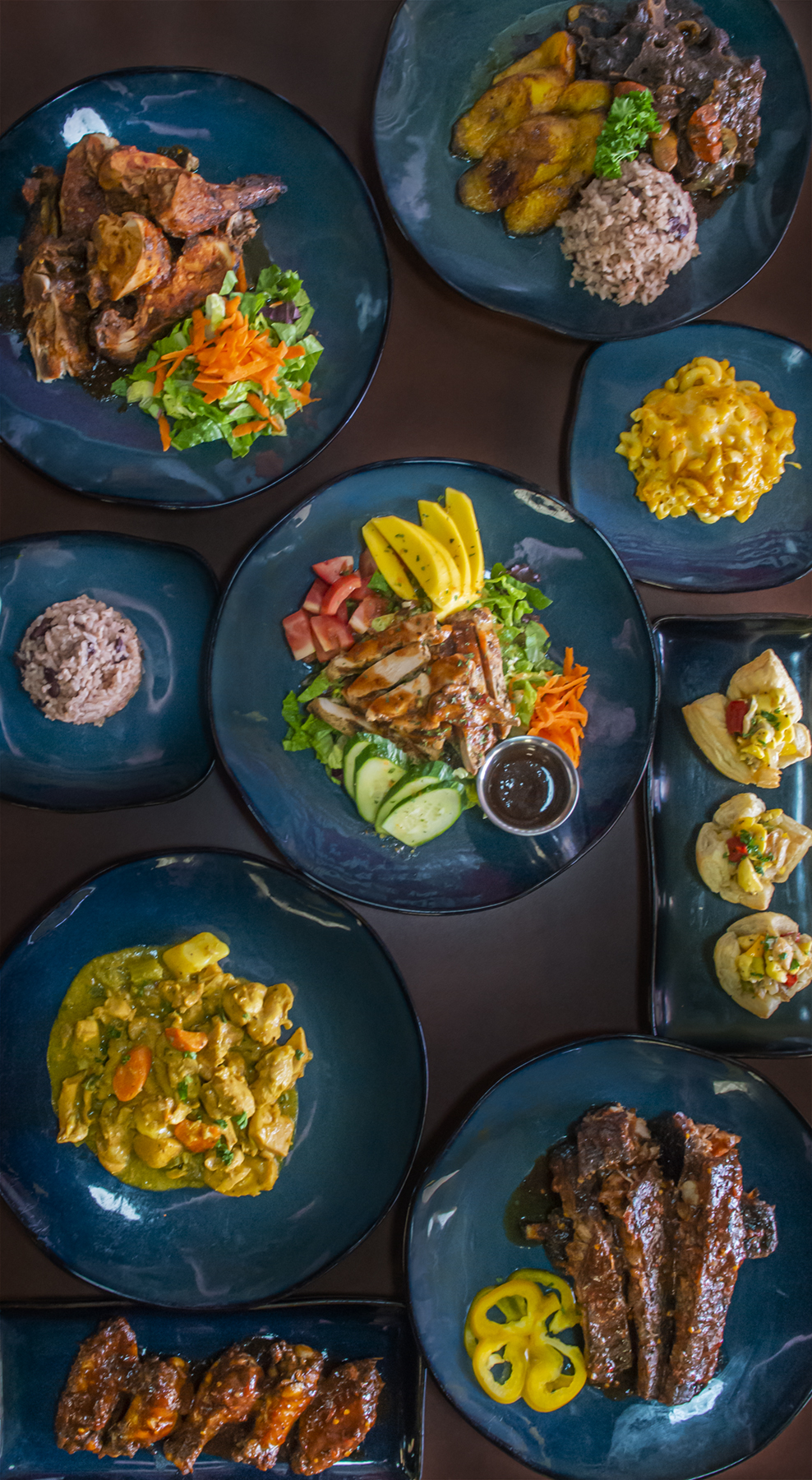
That flexibility matters in mixed groups, which is how many people discover the cuisine in the first place. One person orders jerk chicken, another gets curry goat, another goes for a patty and coco bread, and suddenly the whole table is passing sides back and forth. Jamaican food encourages that kind of communal tasting.
The sides are not side characters
A lot of cuisines are judged by their main proteins. Jamaican cooking deserves a different standard because the supporting dishes do as much work as the entrées. In fact, I have had meals where the thing people remembered most was not the chicken or the fish, but the rice and peas or the plantains.
Rice and peas, despite the name, usually means rice cooked with beans, often kidney beans, plus coconut milk, thyme, scallion, and seasoning. Done properly, it is fragrant, tender, and quietly rich. It is not filler. It is structural. It absorbs sauces, softens spice, and rounds out the plate.
Plantains bring another kind of intelligence to the meal. Their sweetness is not decorative. It offsets salt and heat. It gives your palate a pause. In Denver, where diners often appreciate contrast in a single plate, this sweet-savory interplay lands well.
Cabbage deserves mention too. In many Jamaican meals, sautéed cabbage appears alongside heavier items, and that is no accident. It adds freshness and crunch, sometimes with carrots, peppers, and enough seasoning to make it more than a token vegetable. A smart plate needs that brightness.
Then there are patties, which might be the most underestimated gateway into the cuisine. A good Jamaican patty is practical, portable, and intensely satisfying. The pastry should be flaky, slightly stained with turmeric or curry, and rich enough to shatter a little at the first bite. The filling should be moist, assertive, and clearly spiced. In a city with plenty of people grabbing lunch between meetings or before heading into the mountains, patties make perfect sense.
Why the food feels both exciting and familiar
One reason Jamaican food connects so strongly in Denver is that it offers novelty without alienation. Many diners encounter ingredients they already know, chicken, beef, goat, rice, beans, cabbage, potatoes, but arranged through a different culinary logic. The seasonings are what shift the experience. So does technique.
Browning meat properly, building sauces from drippings and aromatics, marinating for long stretches, frying and then simmering, layering sweet and savory in the same dish, these are techniques that produce comfort even when the flavors are new to the diner. You do not need a background in Caribbean food to understand why stewed chicken over rice tastes good. Your palate gets there quickly. Then the thyme, allspice, ginger, pepper, and coconut pull you further in.
That balance of approachability and distinction is hard to achieve. Some cuisines are immediately familiar but not very surprising. Others are exciting but require a steeper learning curve. Jamaican food often hits the middle beautifully. It welcomes people in, then gives them enough complexity to keep them curious.
The role of smoke, char, and slow cooking
Jamaican cuisine is often described in terms of seasoning, but texture is just as important. Some of the most compelling dishes rely on contrast between charred edges and juicy interiors, crisp crusts and tender fillings, thick gravies and fluffy rice. That textural interplay is part of what makes the food so craveable.
Jerk cooked over live fire has a special draw https://remingtonwamn423.opalvector.com/posts/jamaican-food-in-denver-must-try-dishes-and-restaurants because the smoke fuses with the spice blend rather than sitting on top of it. Good jerk should have darkened edges, rendered fat, and a slight tackiness from the marinade. The inside should still be moist. That combination is hard to fake. You know immediately when it is done well.
Slow cooking brings a different pleasure. Oxtail, stew peas, braised curry goat, and certain soups all benefit from time more than fussiness. Their appeal lies in patience. You can taste it when collagen has melted into sauce, when bones have enriched the broth, when aromatics have moved from sharp to rounded. In a restaurant culture that sometimes prioritizes speed and spectacle, these dishes remind people that flavor still comes from process.
Denver diners tend to appreciate craftsmanship, especially when it is visible in the final plate. Jamaican food often shows its work in the best way.
Jamaican food suits different appetites and occasions
Not every cuisine can stretch from a quick lunch to a celebratory dinner without losing its identity. Jamaican food can. That versatility helps explain its staying power.
A beef patty on a busy afternoon scratches a completely different itch than a full plate of jerk chicken with rice and peas, cabbage, and plantains. A cup of soup on a cold day is different again. Then there are the meals people order for sharing, multiple entrées, extra sides, maybe festival if it is available, and everyone reaching over one another because no single plate is enough.
Here are a few reasons it works so well across occasions:
- It can be quick without feeling compromised.
- It scales naturally for groups and family-style eating.
- It delivers comfort in cold weather and brightness in warm weather.
- It offers enough variety for cautious eaters and adventurous ones.
- It tends to leave people full in the most satisfying way.
That last point matters more than people admit. Denver has no shortage of stylish food, but memorable restaurants often win because the meal actually satisfies. Jamaican cuisine does not flirt with the appetite. It answers it.
The city’s dining culture is ready for food with identity
Denver’s food scene has matured. Diners are more informed than they were a decade ago, and they are generally willing to seek out specific regional traditions rather than settle for broad labels. That creates space for cuisines with strong identity. Jamaican food benefits from that shift because it is not vague food. It has recognizable seasoning systems, distinct dishes, and a point of view.
People have also become more attentive to authenticity, though that word can be overused. In practice, what many diners are really looking for is coherence. They want food that tastes like it comes from somewhere, recipes that feel rooted rather than focus-grouped. Jamaican cooking usually communicates that sense of place very clearly.
At the same time, Denver supports adaptation when it is thoughtful. A chef may tweak spice levels, sourcing, or presentation to suit the market or available ingredients. Those adjustments are reasonable. What matters is whether the dish still tastes like itself. A jerk plate should still carry smoke, allspice, thyme, and chile. Curry goat should still have depth and earthiness. Patties should still have that unmistakable flaky shell and seasoned filling. Evolution is fine. Dilution is not.
What to order if you are new to it
For first-time diners, the smartest move is to choose dishes that showcase range rather than going straight for the hottest option on the menu. If you want to understand why jamaican food denver keeps earning devoted fans, start with contrast.
A very reliable first meal would be jerk chicken with rice and peas, cabbage, and plantains. That plate gives you smoke, spice, sweetness, starch, and freshness all at once. If you prefer something saucier, brown stew chicken is often a better introduction than people expect. It is deeply savory and broadly appealing, but still unmistakably Jamaican.
If you want a smaller entry point, order a patty, ideally with coco bread if it is offered. That combination is humble, filling, and revealing. You can learn a lot about a kitchen from its pastry and seasoning.
For diners who already know the basics, oxtail and curry goat are often where affection turns into loyalty. These dishes ask more from the kitchen and usually reward the effort.
Hospitality is part of the flavor
One of the less discussed reasons Jamaican food becomes a favorite is the atmosphere that often surrounds it. Even in simple spaces, the service style can feel warm, direct, and unrushed in spirit, even when the line is moving fast. There is often an ease to the recommendations. Someone behind the counter tells you what just came out best, or suggests a side combination that makes better sense than what you were about to order. Those moments matter.
Food cultures built around family meals and communal eating tend to retain a certain generosity, even when translated into restaurant form. Portions reflect that. So does the willingness to let sauces spill into rice, or to serve sides that are substantial enough to matter. Diners respond to that abundance. It feels hospitable rather than excessive.
In a city where many people eat on the move, that warmth can become part of the craving. You are not just hungry for jerk chicken. You are hungry for the whole experience of it.
Why the craving keeps coming back
The most irresistible foods are rarely those that chase a single sensation. They work because they hit several at once. Jamaican cooking excels at this. It gives you smoke, sweetness, acid, heat, fat, and starch, but it also gives rhythm. One bite burns a little. The next cools things down. One forkful is saucy and rich. The next gets brightness from cabbage or pickled vegetables. The plantain resets the palate. Then you go back for more jerk.
Craving is often about contrast managed well. Jamaican food understands that instinctively.
There is also the question of memory. Even for people who did not grow up with this cuisine, it can feel oddly nostalgic after only a few meals. Perhaps that is because so many dishes are rooted in methods that signal care: marinating overnight, braising for hours, seasoning assertively, serving generously. People recognize that attention even when the flavor profile is new to them.
That is why jamaican food denver continues to stand out in a crowded restaurant landscape. It offers excitement without gimmick, comfort without boredom, and boldness anchored by technique. It is food with personality and discipline. It knows exactly what it is.
And once you have had a really good version, smoky jerk with charred edges, rice and peas scented with coconut and thyme, a forkful of sweet plantain, maybe a side of cabbage to wake everything back up, the appeal stops being theoretical. You understand it in the oldest and most reliable way possible. You take another bite.
Reggae Pot Jamaican Grill
Address: 2243 S Monaco St Pkwy #104, Denver, CO 80222
Phone number: +17204102956
FAQ About Jamaican Food Denver
What is typical Jamaican food?
Typical Jamaican food features bold, vibrant flavors created by blending African, Taino, European, and Asian influences.
What is a famous Jamaican dish?
Ackee and saltfish is Jamaica's national dish, made by sautéing the soft local ackee fruit with salted cod, onions, tomatoes, and spicy Scotch bonnet peppers.
What food is most popular in Jamaica?
The most popular and famous food in Jamaica is Jerk Chicken, celebrated worldwide for its smoky, spicy flavor.